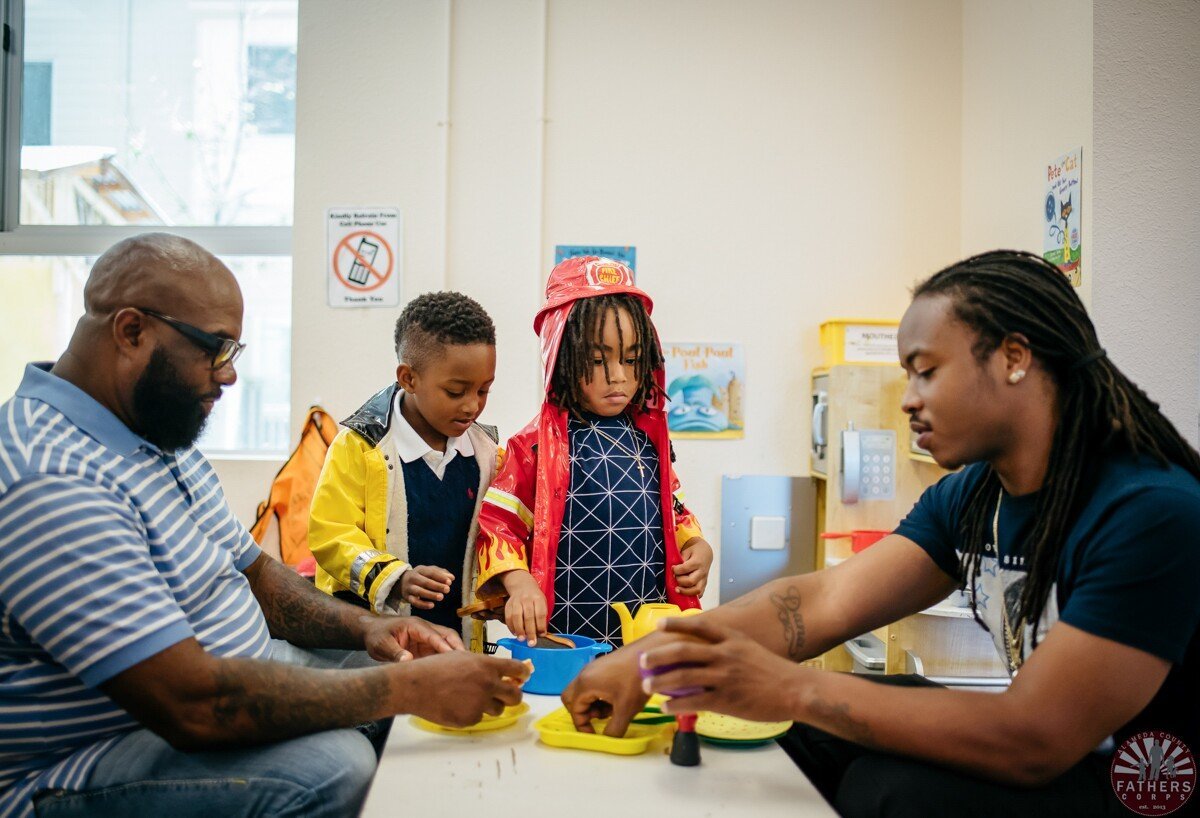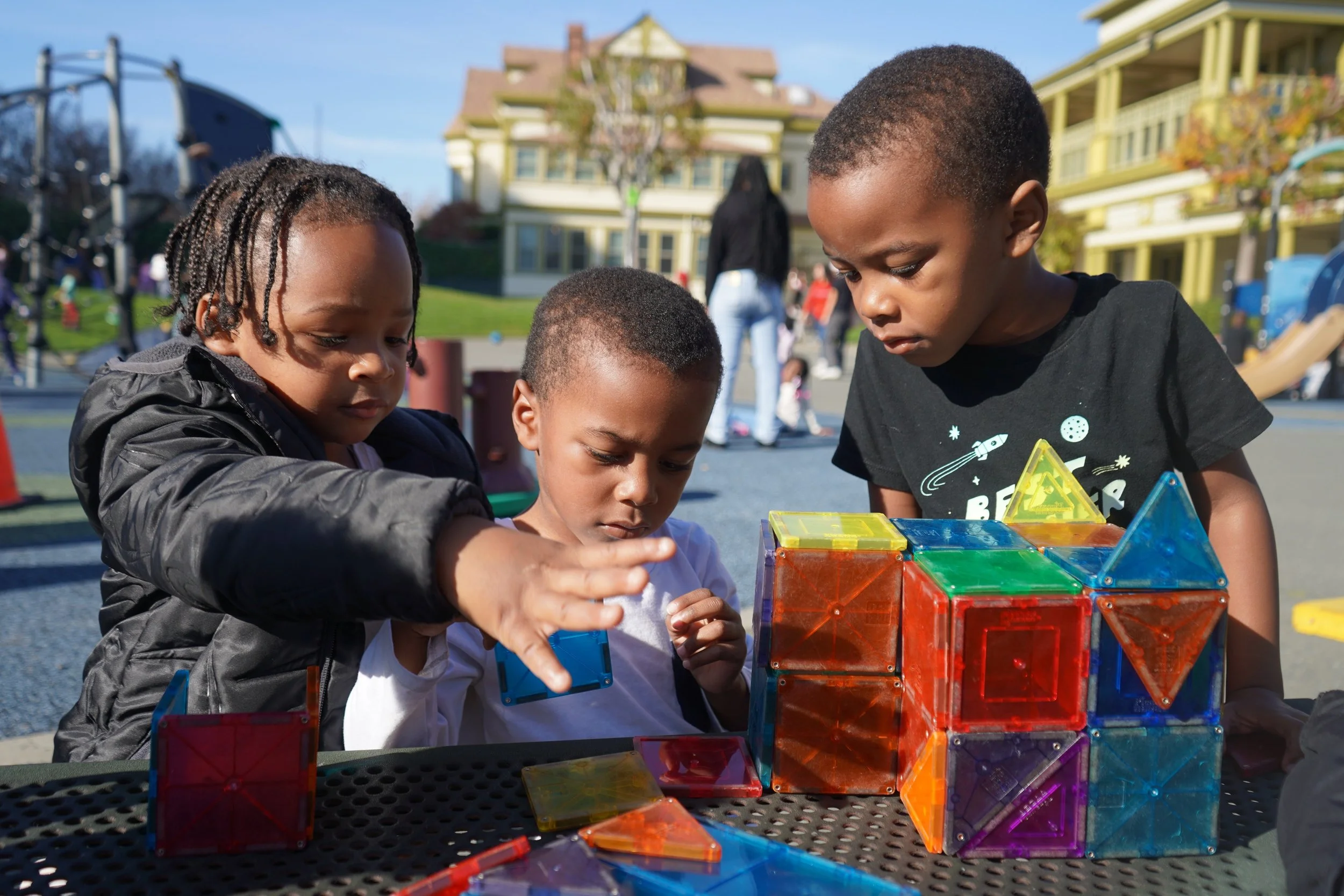
Choose the best early learning option for your family.
You know your child best. You have options.
Welcome!
You’re probably here because you have a three or four-year old and are wondering what to do for their care and learning in this time before Kindergarten. Thankfully, California has a diverse set of Pre-Kindergarten (Pre-K) options that are now more affordable and accessible for families.
So, which is right for your family?
Take a look around for a clear and concise breakdown of Pre-K offerings and practical considerations for your family.


What is Pre-Kindergarten (Pre-K)?
“Pre-K” is a catch-all phrase we are using for the early care and learning centers where children ages 0-5 begin their learning journeys. They range from public to private, formal to informal and have different approaches to teaching.
Pre-K programs may use a combination of play-based and structured activities to encourage curiosity, creativity, and a love for learning. These experiences help children build confidence, independence, and the foundational skills needed for a smooth transition to kindergarten.
With so many ways to nurture and educate your little one, your family is bound to find the right one for you.
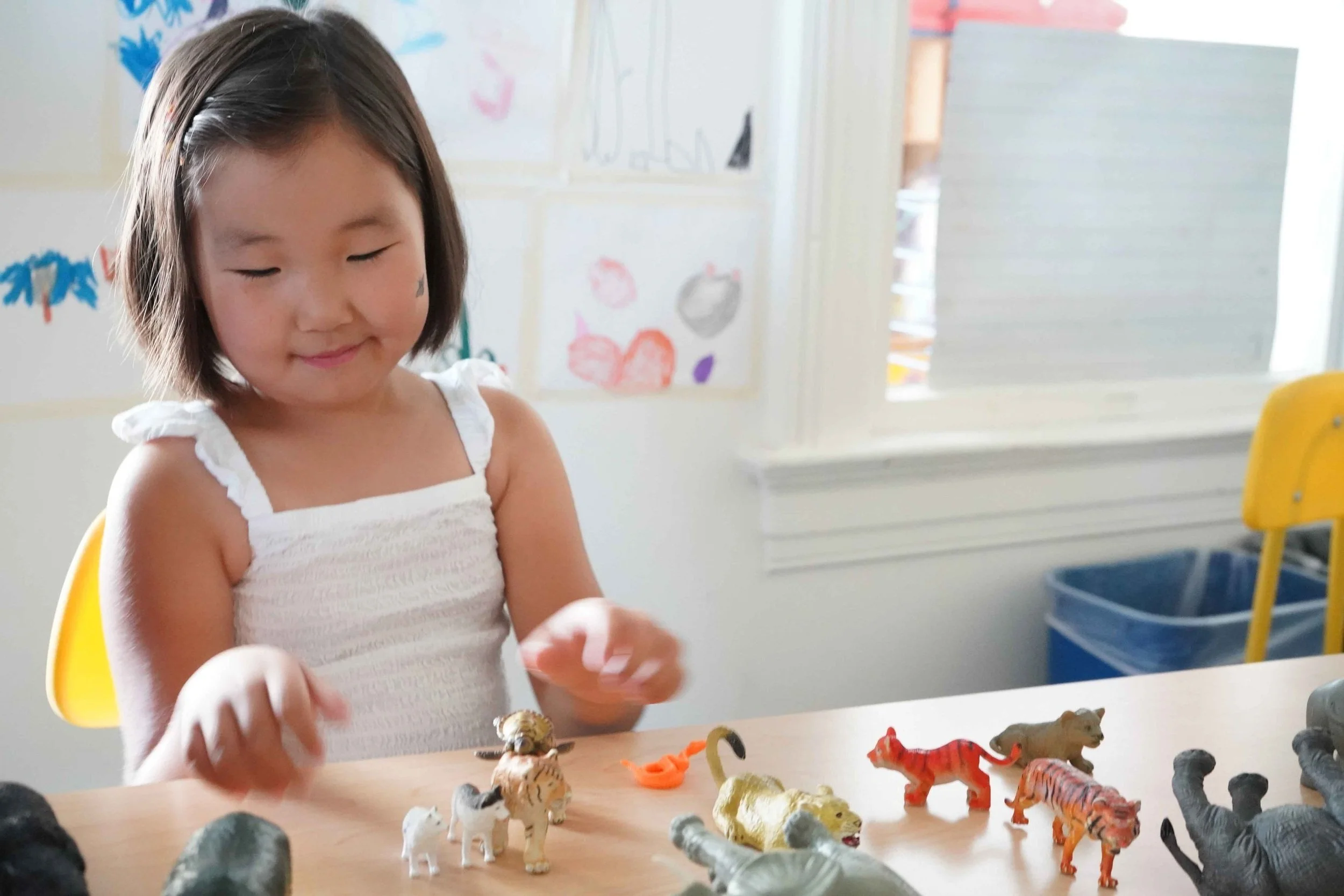
How do I choose?
When selecting a Pre-K program, consider what is most important to you and your family. You may prefer a more or less structured environment or have specific preferences based on your child’s learning style and developmental needs.
What about cost?
You may want to explore the availability of financial assistance or extended care options. Visiting programs, asking questions, and observing the learning environment can help ensure the best fit for your child.


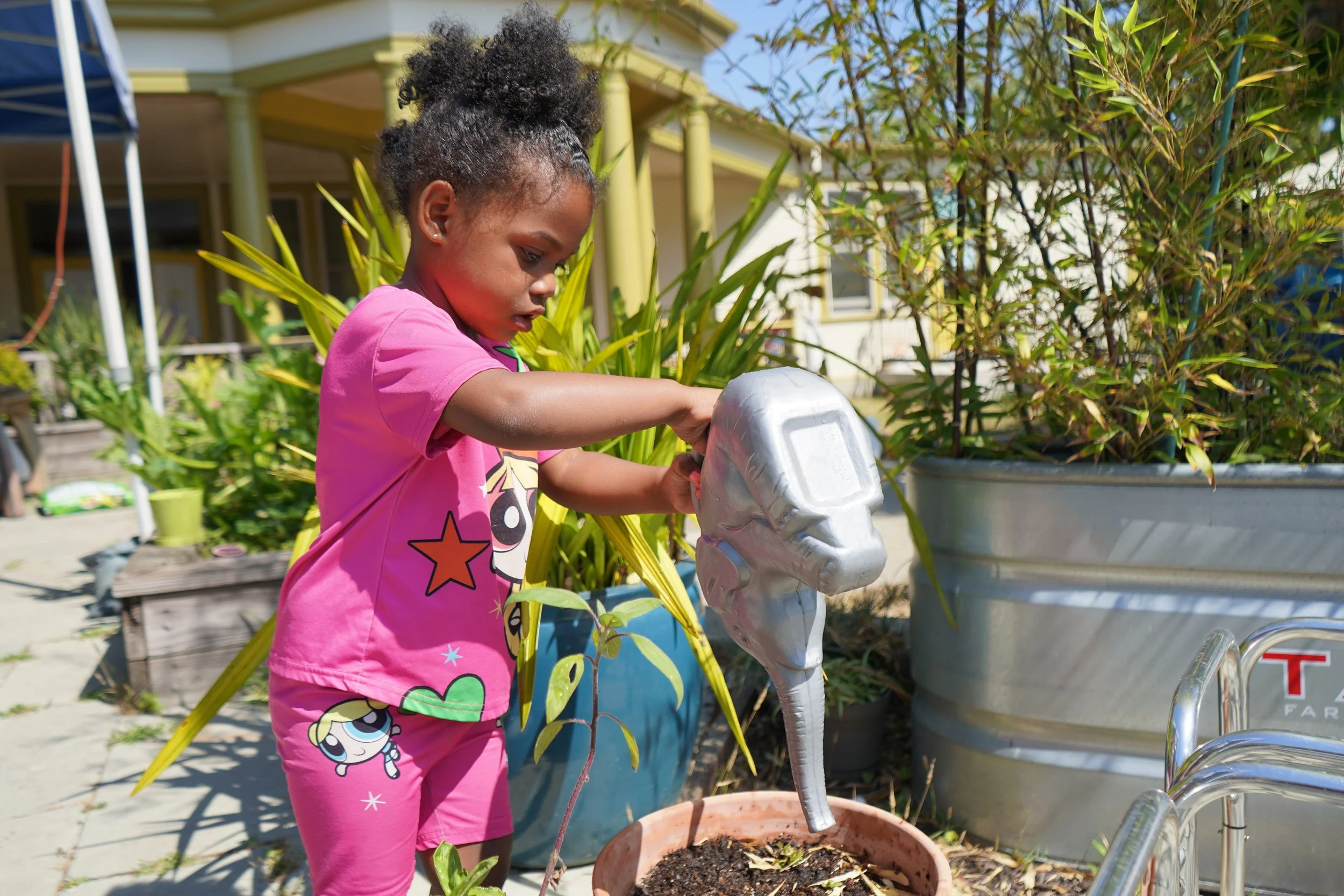
Pre-Kindergarten Options
Many parents of three and four-year-olds have questions about the best place for their child to receive care and become ready for Kindergarten. Learn more about kindergarten readiness here.
Have a look below to better understand the various learning environments and which might be right for your child and family.
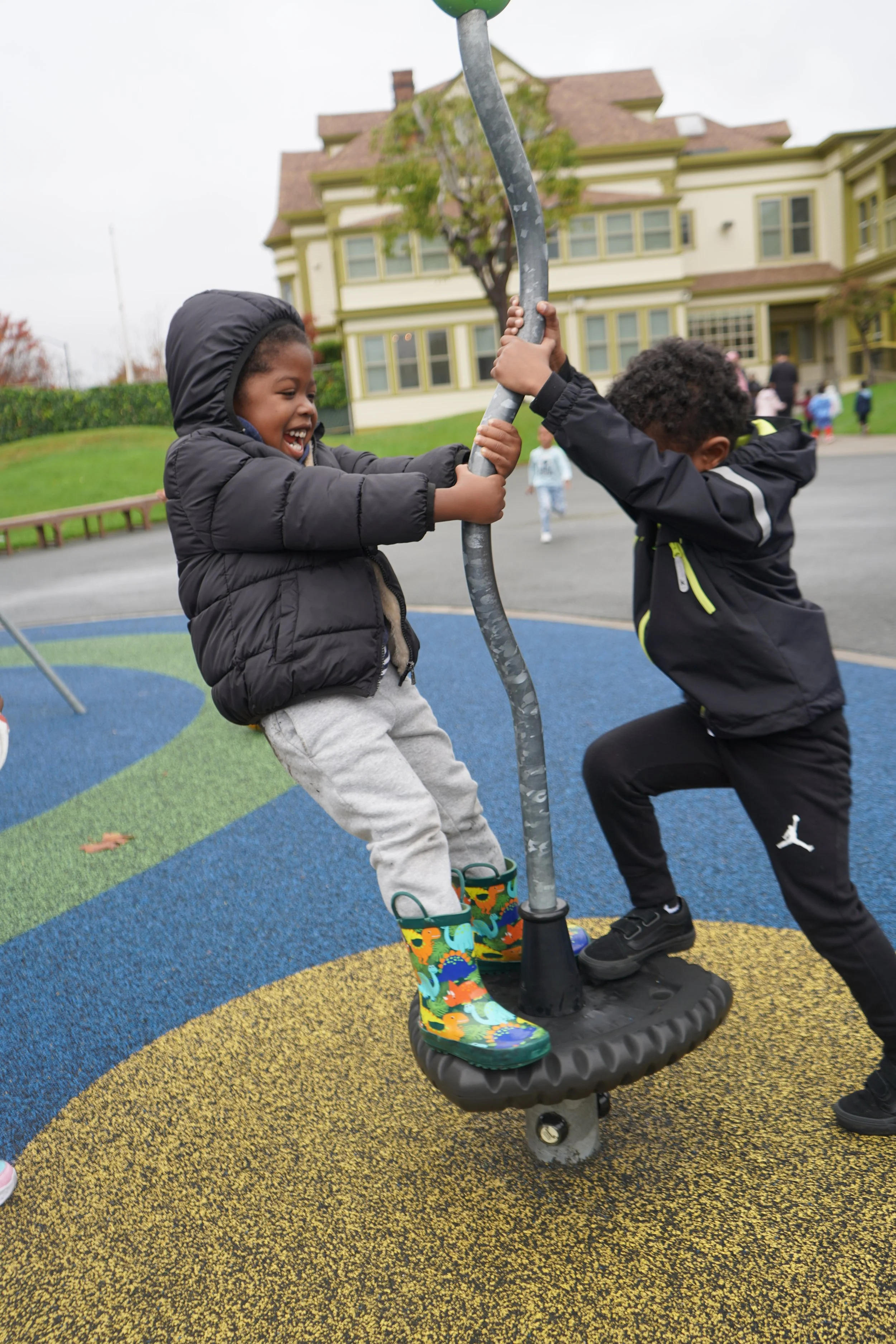
CENTER-BASED CARE
Center-based programs provide structured learning in a classroom setting with trained educators and a curriculum designed to promote school readiness. These programs typically offer group activities, play-based learning, and socialization opportunities with peers.
-
Full-day Pre-K programs provide extended learning hours and structured routines, supporting working families and offering comprehensive early childhood education.
-
Part-day programs provide shorter learning sessions, focusing on key early learning skills while allowing flexibility for families with varying schedules.
-
Cooperative (Co-Op) preschools involve parents in the classroom, offering a community-based learning environment where families contribute to their child’s education through active participation.

FAMILY CHILD CARE HOME (FCC)
These programs provide licensed early learning and care in a home-like setting with smaller group sizes, flexible schedules, and year-round care.
-
FCC educators reflect the cultural diversity of Alameda County, often offering care in different languages and aligning with families’ own values and traditions.
Their approaches to education and their professional training varies. Children can form lasting relationships with consistent caregivers and customized learning.
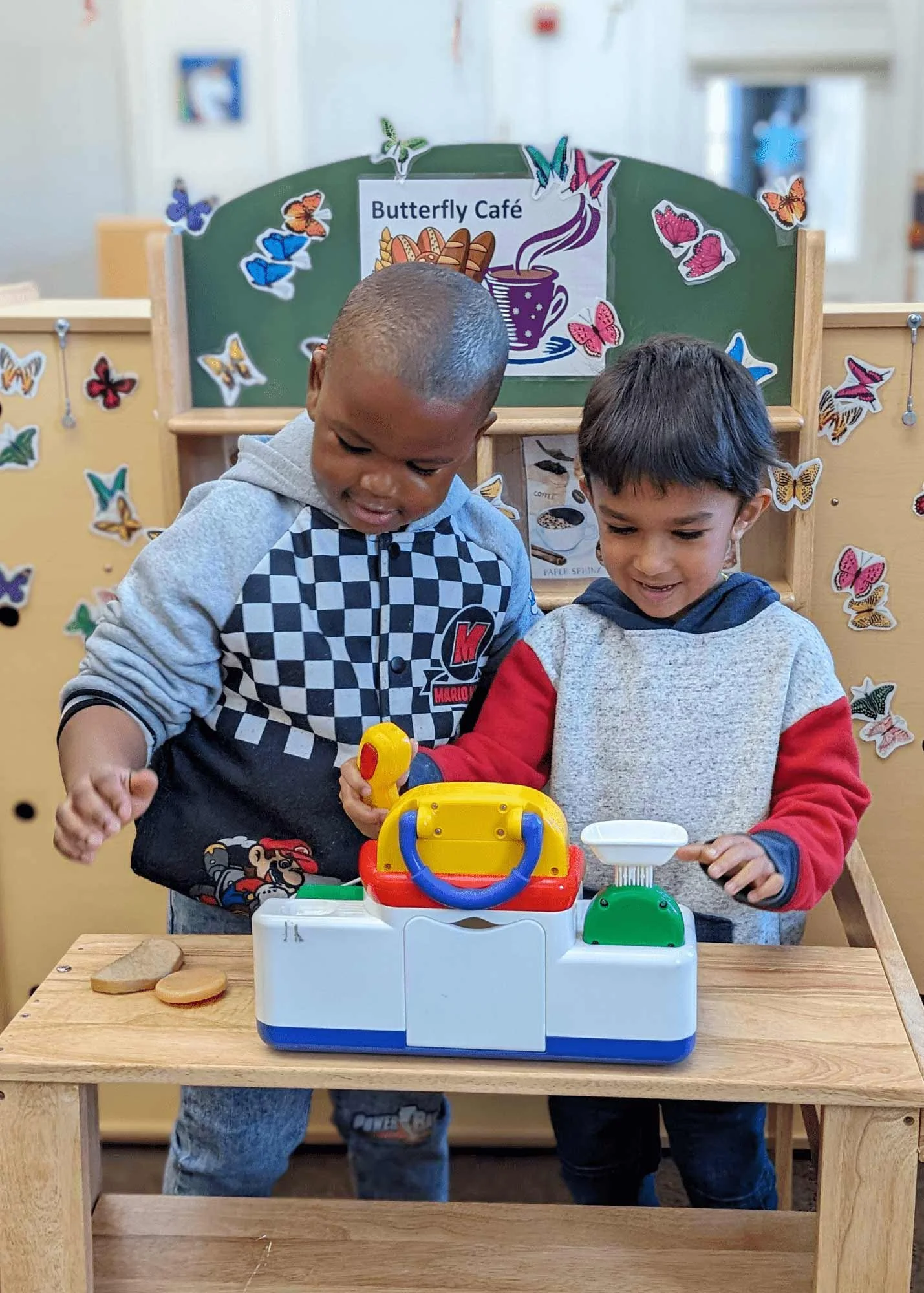
TRANSITIONAL KINDERGARTEN (TK)
Transitional Kindergarten (TK) is a stepping stone between preschool and kindergarten, designed for children who were born between September 2, 2020 and September 1, 2021.
-
TK provides an additional year of early learning with a focus on social-emotional development, early literacy and math, and hands-on exploration. TK follows a structured, play-based curriculum tailored to young learners, helping them build confidence, communication skills, and independence before entering traditional kindergarten.
Eligibility Criteria: California now has Universal Transitional Kindergarten, which is based at school sites and free for all children who turn four years old by September 1.
Ratio: 1 adult to 10 children
Class Size: Average class enrollment of 24 students
Teacher Qualifications: 1) Teaching Credential and 24 units of Early Childhood Education or Child Development, 2) Child Development Permit, 3) Or relevant professional experience
Curriculum: Aligned to the California Preschool/Transitional Kindergarten Learning Foundations (PTKLF)
Learn more in our FAQ section
-
Find the directory of all school districts’ TK programs within Alameda County online here.
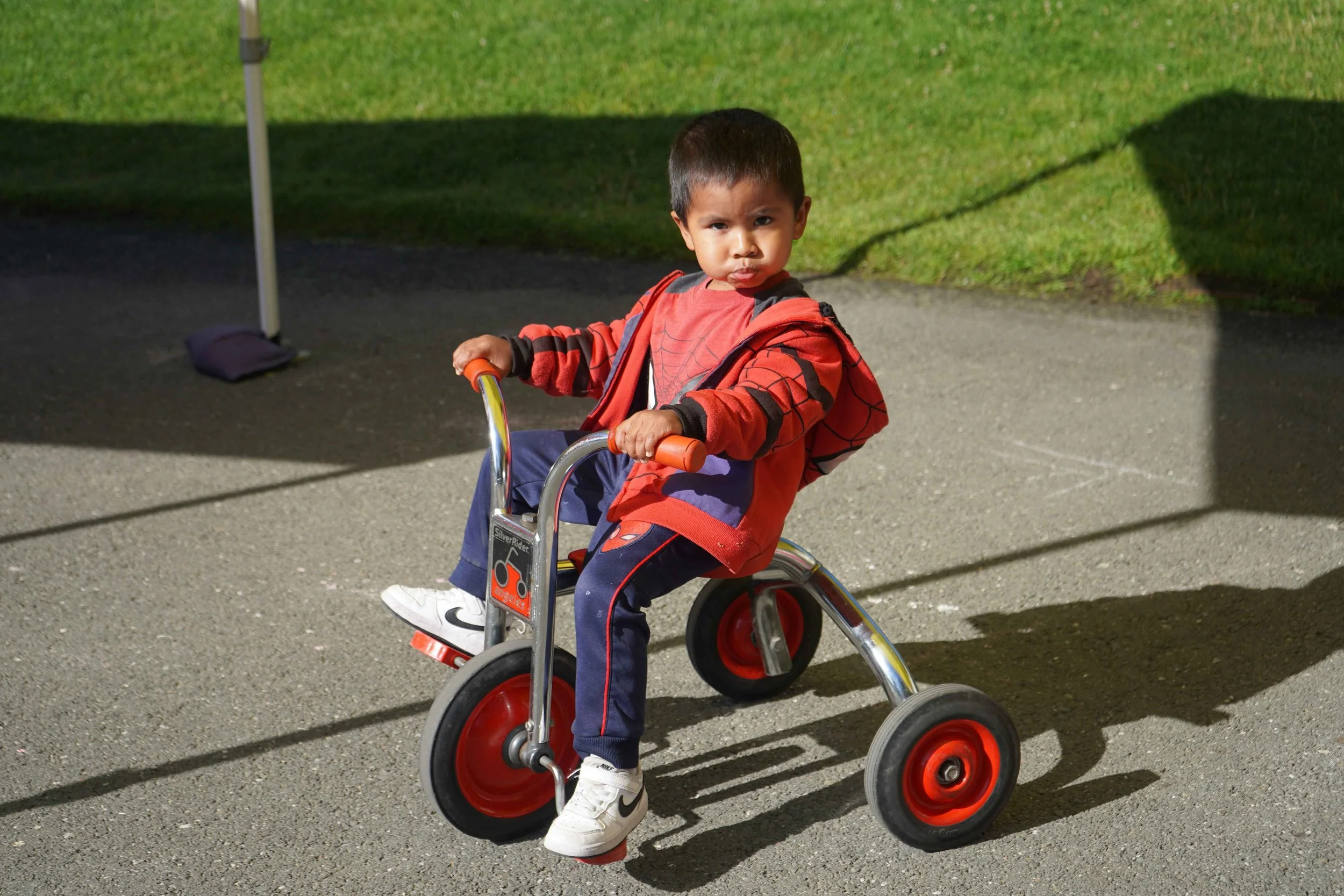
OTHER OPTIONS
Some families choose alternative early learning experiences that encourage socialization and development outside of traditional center and licensed program settings.
-
Informal care arrangements with trusted family members, friends, or neighbors provide a familiar and comfortable setting for young children.
-
One-on-one in-home care provides personalized attention and flexibility, allowing caregivers to tailor activities to the child’s individual needs.
-
These programs offer informal social and play-based learning experiences through community centers, libraries, and local organizations.
-
Families who choose to homeschool can design a personalized early learning curriculum that aligns with their child’s interests and developmental needs.